Two kinds of water, two different answers
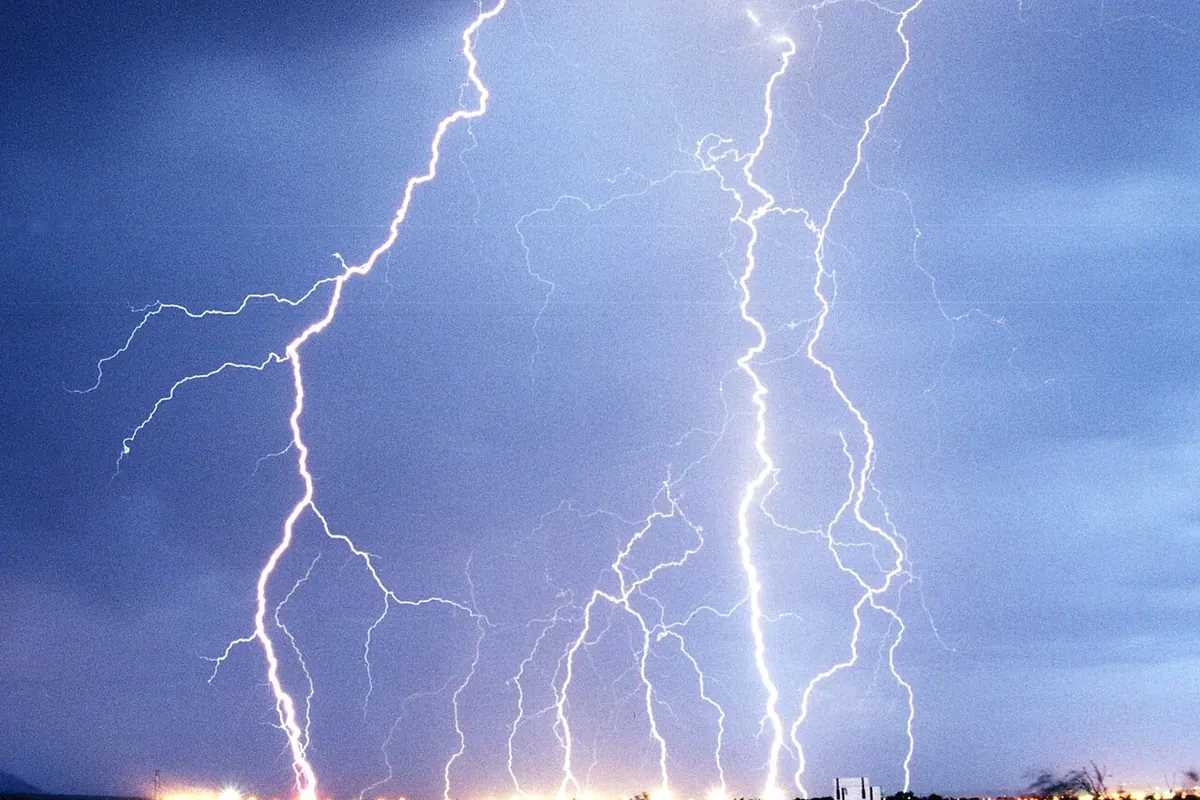
From roughly July through September, the monsoon brings fast, violent storms to New Mexico: hail, microbursts, sheets of rain and flash floods in arroyos that were dry an hour earlier. When water ends up inside a home, the first question on any claim is how it got there. The answer often decides whether there’s coverage at all.
Water from above: roof leaks and wind-driven rain
Many homeowners policies cover interior water damage when a covered peril, such as wind or hail, first creates an opening in the roof or walls and rain comes through. On a flat roof that might be a coating fractured by hail, a parapet cap blown loose, a canale torn away or a cooler curb damaged in a microburst.
What usually helps
- Photos of the opening on the roof, not just the stain on the ceiling.
- The storm date and any local reports of wind or hail.
- Evidence that the roof was in serviceable condition before the storm.
What carriers often push back on
- Long-term leaks, wear and tear or deferred maintenance.
- Ponding water on a flat roof with poor drainage.
- Rain entering through an opening that wasn’t caused by a covered peril.
Read your policy’s wording on rain, wear and maintenance closely. Policies differ.
Water from the ground: flood and surface water
Standard homeowners and many commercial policies exclude flood and surface water: runoff across the ground, overflowing arroyos and acequias, and water that rises into a building from outside. Flash flooding in Albuquerque’s foothills, downstream of burn scars near Ruidoso and in the Hermits Peak/Calf Canyon burn area can be severe, and burn scars make runoff worse for years.
Flood coverage usually comes from a separate policy, either through the National Flood Insurance Program (NFIP) or a private flood insurer. NFIP policies have their own rules, limits and claim process, and they are not part of your homeowners appraisal. If you have flood coverage, report to that carrier separately.
Act fast to limit the damage
Most policies require you to take reasonable steps to prevent further damage. In practice:
- Tarp or temporarily patch the roof if it’s safe to do so.
- Move belongings away from wet areas and photograph them first.
- Start drying quickly; call a mitigation company if materials are soaked.
- Keep every invoice and receipt.
- Keep damaged items until the adjuster has seen them, unless they pose a health risk.
Mold can follow within days. Many policies limit mold coverage with a sublimit, so prompt drying matters for both your health and your claim.
Questions to ask your adjuster
- Which damage are you treating as covered, and which as excluded? Ask for the answer in writing.
- What caused the opening in the roof, in your view, and what evidence supports that?
- Will mitigation and drying invoices be paid in full, and if not, why?
- Is mold covered, and is there a sublimit?
- Will the policy pay to tear out and replace wet materials, or only to dry them?
Clear written answers make it easier to see whether a disagreement is about coverage or about amount. That distinction decides which path comes next. A reservation of rights letter is a sign the carrier sees coverage questions, and that is a good time to talk with a New Mexico attorney.
Getting ready for next season
Between storms, a little preparation pays off. Clear canales and scuppers before July, recoat a flat roof on schedule, seal cooler curbs, and keep dated photos of the roof in good condition. Those photos can be the best evidence you have that damage after a storm is new. Review your declarations page for a wind or hail deductible, and think about whether separate flood coverage makes sense if you live near an arroyo or below a burn scar.
Common estimate gaps on monsoon leak claims
- Roof repair priced as a patch when the coating or membrane has failed across the field.
- Interior work limited to ceiling paint, missing insulation, drywall and texture.
- Mitigation invoices reduced without explanation.
- Parapet and stucco repairs omitted where water entered through the wall.
Where appraisal fits
If the carrier agrees the roof leak is covered but undervalues the repair, appraisal can resolve the amount. Appraisal won’t decide whether flood or surface water exclusions apply; that is a coverage question for the carrier and, if needed, a New Mexico attorney.
Read about our water damage appraisal and high-wind damage appraisal work, look up terms in claim terms A to Z, or contact us to talk about your file.