Why flat roofs hide hail
A pitched shingle roof shows hail fairly plainly: bruised mats, missing granules, dented vents. A flat roof behind a parapet is different. From the street you can’t see it at all, and from the roof hatch a fresh coating can look fine even when the membrane underneath has fractured. Across Albuquerque, Santa Fe, Las Cruces and Roswell, thousands of Pueblo Revival and Territorial homes, plus most commercial buildings, have exactly this kind of roof.
Hail in New Mexico arrives mostly with spring storms and the summer monsoon. When it does, a careful record made in the first days after the storm does more for the claim than anything else.
What to document on the roof field
Coatings
Elastomeric and aluminum coatings are often the first layer hail hits. Look for:
- Circular cracks or star-shaped fractures in the coating.
- Spots where coating has flaked away, exposing the surface below.
- Patterns that repeat across the roof, which point to a storm rather than wear.
Modified bitumen and built-up membranes
Granule loss in round spots, soft bruises you can feel under a gloved hand, and splits at seams are all worth recording. Chalk circles around hits, a coin or ruler for scale, and wide shots that show location help everyone understand what they’re seeing later.
Foam roofs
Spray polyurethane foam roofs show hail as dents or punctures in the protective coating. Once the foam is exposed to sun, it degrades, so these hits matter even when they look small.
Parapets, canales and scuppers
The parapet is where much of the money sits on a flat roof claim. Photograph parapet caps and coping, the flashing where membrane turns up the wall, and every canale and scupper. Dented metal caps, cracked stucco on the inside face of the parapet, and loose or split canales are common hail and wind items that are easy to leave off an estimate.
Evaporative coolers and rooftop equipment
Swamp coolers take hail head-on. Record dents on cabinet panels, damaged louvers, cracked water lines and the condition of the roof jack and curb. Refrigerated units, vents, skylights and solar panels deserve the same treatment. Don’t forget the cooler’s condition before the storm, since adjusters may ask whether damage was pre-existing.
Stucco walls
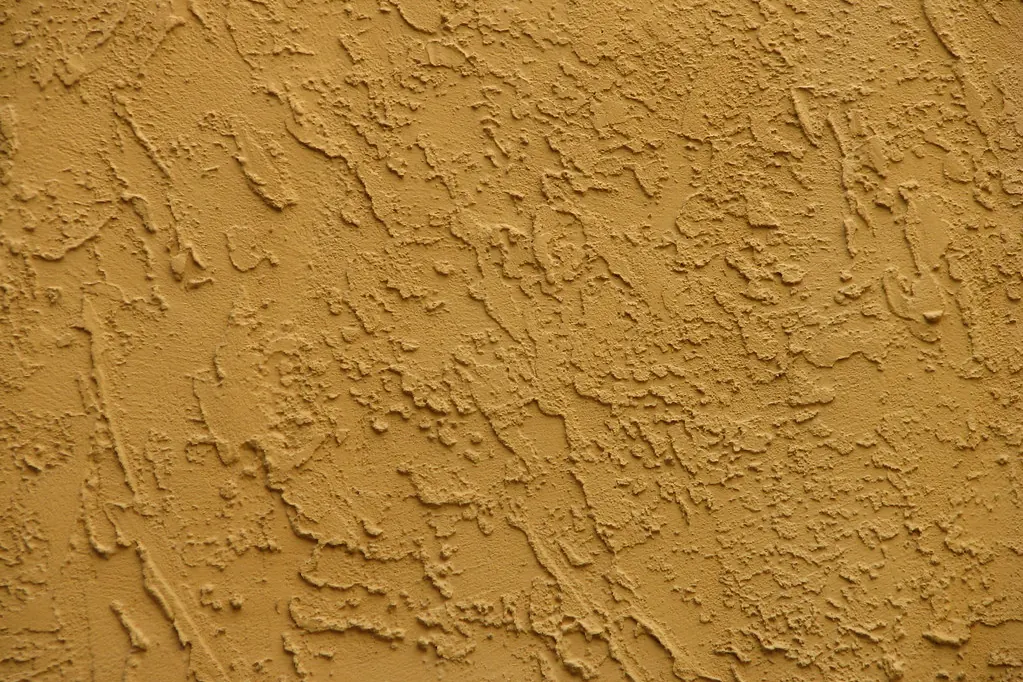
Hail driven by wind can fracture stucco on exposed elevations, typically the north and west faces. Look for small round spalls, hairline cracks radiating from impact points, and chipped corners. The difficult question is often matching: whether a patch can blend with the surrounding texture and color, or whether a full elevation must be redone. Policy wording and New Mexico law both bear on that, so document the texture and color closely.
Before the adjuster visits
- Take dated photos and video of the whole roof, the parapets and each elevation of the building.
- Write down the storm date and any local hail reports you saw.
- Do temporary repairs needed to prevent more damage and save receipts.
- Get a written estimate from a contractor who works on flat roofs.
- Ask to be present when the adjuster inspects, and point out what you found.
The roof area and pitch converter helps you check square counts, and the percentage deductible converter shows what a wind or hail deductible means in dollars.
Interior signs worth recording
Hail damage on a flat roof often shows up inside first, sometimes weeks later when the next monsoon rain finds a fractured seam. Note new ceiling stains, especially near parapet walls, canales and the cooler opening, and take dated photos each time one appears or grows. Check vigas and latillas in older homes for fresh water marks. A clear timeline connecting a new leak to a specific storm makes it much harder for the leak to be written off as old wear.
Commercial and HOA buildings
Large flat roofs on shopping centers, office buildings and condominium associations raise the stakes. A single storm can affect tens of thousands of square feet of membrane, dozens of rooftop units and long runs of parapet. Core samples, moisture surveys and a clear record of the roof’s age and maintenance history help separate storm damage from wear. If your association is weighing a claim, see commercial and HOA appraisal.
Common estimate gaps
- A coating-only repair where the membrane below is fractured.
- Parapet caps, flashing and stucco on the parapet left out entirely.
- Cooler damage written as cosmetic or omitted.
- Tapered insulation, crickets and drains not priced on tear-off.
- No allowance for the access difficulty of working behind parapets.
When appraisal fits
If the carrier agrees hail hit the property but its estimate leaves out major items, the appraisal clause may be the right tool. Appraisal decides the amount of loss, not whether a loss is covered. See flat roof and stucco appraisal and hail roof appraisal for how we work, or read inside the appraisal process for the steps. If you’d like a second look first, get in touch.