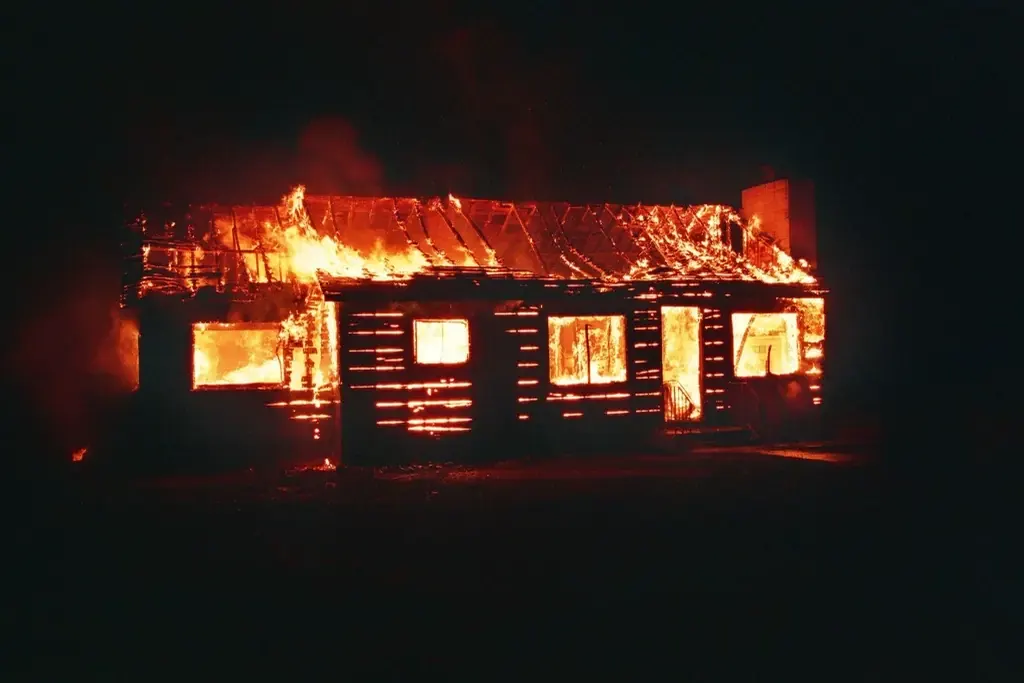
Fire losses are bigger than they look
The burned area is only part of a fire claim. Smoke travels through ductwork, wall cavities and attic spaces, leaving soot residue and odor in rooms the flames never reached. Water from firefighting soaks floors and walls. Heat warps windows, melts fixtures and weakens framing near the origin. A complete estimate accounts for all of it.
In New Mexico, house fires often start with kitchens, electrical faults, wood stoves and kiva fireplaces, portable heaters, or outdoor sources like grills and chimeneas. Older adobe and frame homes may have original wiring or vigas that complicate repairs.
What we look at in a fire appraisal
Structure
- Framing, roof deck and vigas or latillas near the origin, including whether charred members can be sealed or must be replaced.
- Drywall, plaster and stucco affected by heat, smoke and water.
- Electrical, plumbing and mechanical systems, and code-required updates when they must be replaced.
- Windows, doors and roofing damaged by heat or by firefighters venting the structure.
Smoke and soot
- Cleaning versus replacement for each surface, based on residue type and testing where appropriate.
- HVAC and evaporative cooler ductwork cleaning or replacement.
- Sealing and repainting throughout affected areas, not just the room of origin.
- Odor removal and verification.
Contents
Fire claims usually include a long personal property list. Items need descriptions, ages and replacement prices. Smoke-damaged textiles, electronics and porous items are often not cleanable. Our contents inventory estimator, built for wildfire losses, works for house fires too.
Common disputes
- Clean or replace. Carriers often lean toward cleaning; owners often find residue and odor persist.
- Extent of smoke damage. Whether rooms far from the fire need treatment.
- Structural repair method. Sistering joists versus replacing them; patching versus re-stuccoing.
- Contents valuation. Depreciation rates and whether like-kind replacements were priced correctly.
- Additional living expense. How long the family needs temporary housing given realistic repair schedules.
Timing matters
Fire claims involve several deadlines: notice, proof of loss, and sometimes a period to complete repairs before collecting recoverable depreciation. Track them with our claim calendar builder and see how depreciation holdback works with the depreciation holdback splitter.
Why a New Mexico fire damage appraisal looks past the burn room
Soot follows air. In homes with evaporative coolers, smoke can be pushed through every duct and register in minutes, while kiva fireplaces and wood stoves leave their own residue history that has to be separated from the fire. A New Mexico fire damage appraisal traces where smoke actually went, room by room, and prices cleaning or replacement for each surface based on what the inspection shows rather than on a whole-house allowance.
Wildfire is its own page
If your property was damaged by a wildfire rather than a fire that started in or near the building, see wildfire loss appraisal, which covers total losses, ash, debris removal and the community-wide pricing pressures that follow large fires.
Appraisal values the loss once the carrier has accepted the claim. If the claim is denied because of a cause-and-origin finding, that dispute is not one the panel resolves, and you may want to consult a New Mexico attorney. To start, reach out with the carrier’s estimate and photos.
Questions about fire & smoke damage appraisal
Do I have to accept cleaning instead of replacement?
Not necessarily. If cleaning does not restore an item or surface, the estimate should reflect replacement, and appraisal can value that disagreement.
How do I build a contents list after a fire?
Go room by room, use photos and receipts where you have them, and record approximate age and replacement cost. Our inventory estimator can help organize it.
Will appraisal decide how the fire started?
No. Cause and origin and any related coverage issues are outside the panel. Appraisal sets the amount of loss.