Cold is a real risk here
New Mexico’s reputation for sunshine can be misleading. Much of the state sits above 5,000 feet, and northern towns and mountain communities regularly drop well below freezing. In early February 2011, an extreme cold snap disrupted natural gas service to tens of thousands of customers in northern New Mexico. With furnaces out for days in towns such as Taos and Española, many homes suffered frozen and burst pipes.
Most freeze losses are smaller and quieter: a pipe in an exterior wall of a frame-stucco house, a crawlspace line in a manufactured home, or a vacant cabin whose heat failed while the owners were away.
How freeze losses happen
- Burst supply lines in exterior walls, attics, garages and crawlspaces.
- Failed fixtures such as hose bibs, outdoor faucets and evaporative cooler lines that were not drained.
- Water heaters and boilers in unheated spaces.
- Radiant floor systems that freeze when heat is lost.
- Ice dams on pitched mountain roofs, where meltwater backs up under shingles or metal panels.
Ice dams on mountain roofs
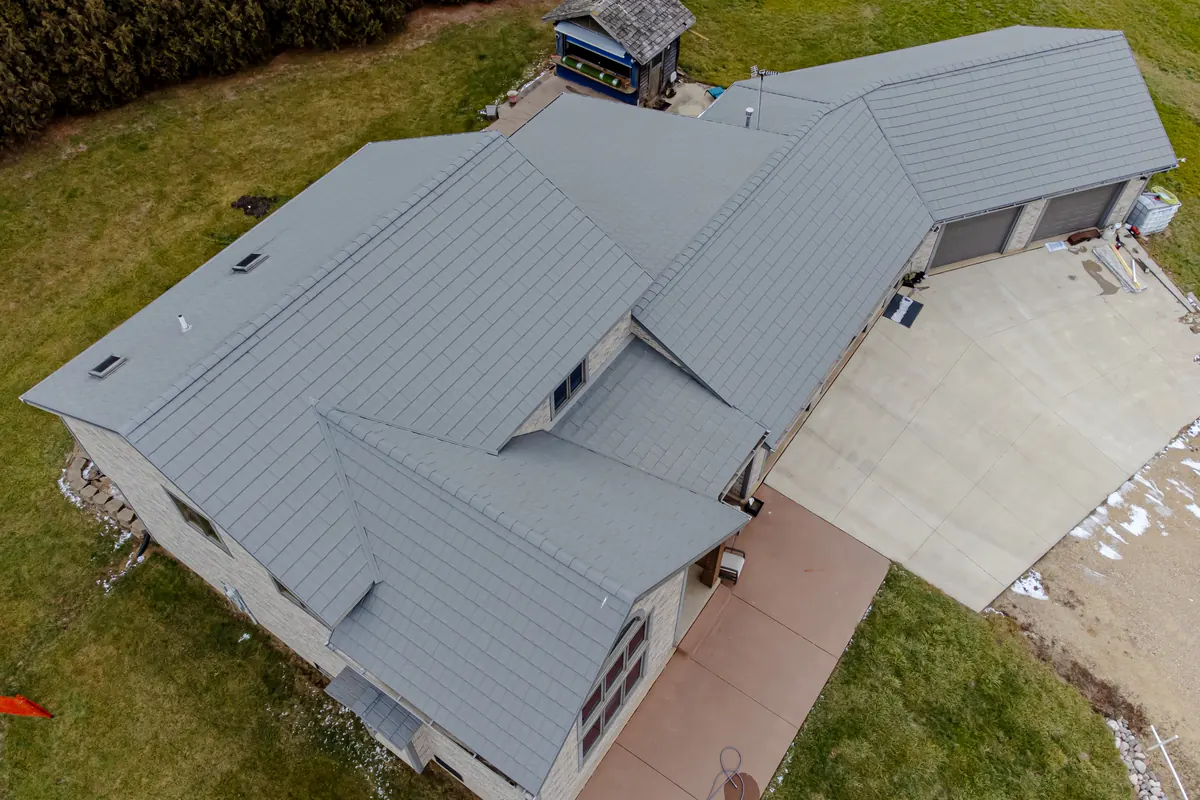
Pitched shingle and metal roofs in Ruidoso, Angel Fire, Red River and the Jemez Mountains collect snow that melts from attic heat and refreezes at the eaves. Water backs up under the roofing and runs into walls and ceilings. Damage may include wet insulation, stained ceilings, warped trim and damaged gutters. Carriers sometimes attribute the leak to poor ventilation or insulation rather than the storm, which turns into a scope and causation question.
The heat condition
Many policies exclude freeze damage to plumbing unless the owner used reasonable care to maintain heat in the building or shut off the water and drained the system. This matters especially for vacation homes and seasonal cabins. Whether that condition was met is a coverage question, not one the appraisal panel decides. If the carrier raises it, gather thermostat records, utility bills and caretaker notes, and consider talking with a New Mexico attorney.
What we value on a freeze claim
- Water mitigation and drying, often extensive because leaks can run for days before discovery.
- Plumbing access and repair, opening walls and ceilings to reach failed lines.
- Interior rebuild: drywall, plaster, flooring, cabinets and trim.
- Roof and eave repairs from ice dams, including underlayment and ice-and-water shield where required.
- Contents damaged by water.
- Additional living expense if the home is not livable.
Documentation tips
Photograph the failed pipe before it is repaired and keep the removed section. Note the date you discovered the leak and the outside temperatures. Save plumber invoices and mitigation logs. Our claim calendar builder helps keep dates organized, and the appraisal file checkup shows what is still missing.
Why a New Mexico freeze damage appraisal needs a careful timeline
Freeze losses are often found days after they start, especially in second homes. A New Mexico freeze damage appraisal separates damage from the initial break from damage that spread while nobody was home, and it prices the mitigation that was reasonably needed given how long the water ran. That timeline also helps the carrier and the panel understand why drying took as long as it did, and why materials that could have been saved in a day were not salvageable after a week.
Related pages
For water losses in general, see water damage appraisal. Owners in Los Alamos, Santa Fe, Ruidoso and Farmington can find local notes on our city pages. Questions? Contact us with your estimate.
Questions about winter freeze damage appraisal
Is a burst pipe covered if my cabin was empty?
It depends on the policy’s freeze and vacancy conditions, such as whether heat was maintained or the water was shut off. That is a coverage question to raise with your carrier or a New Mexico attorney.
Are ice dam leaks covered?
Many policies cover sudden water damage from ice dams, though roof wear and maintenance issues are often excluded. Your form’s wording controls.
Should I keep the broken pipe?
Yes. Keep the failed section and photograph it in place so the carrier and the panel can see what happened.